Put your brain in focus mode: yerba mate infusion can help stimulate brain activity thanks to the natural presence of polyphenols. The end of your sessions will be much more productive. [1] [2] [3]
no crash
Prolonged, better-controlled energy without palpitations thanks to yerba mate. The natural combination of caffeine and theobromine in yerba mate infusion helps regulate energy. Bye bye coffee down! [4] [5]
sport & recovery
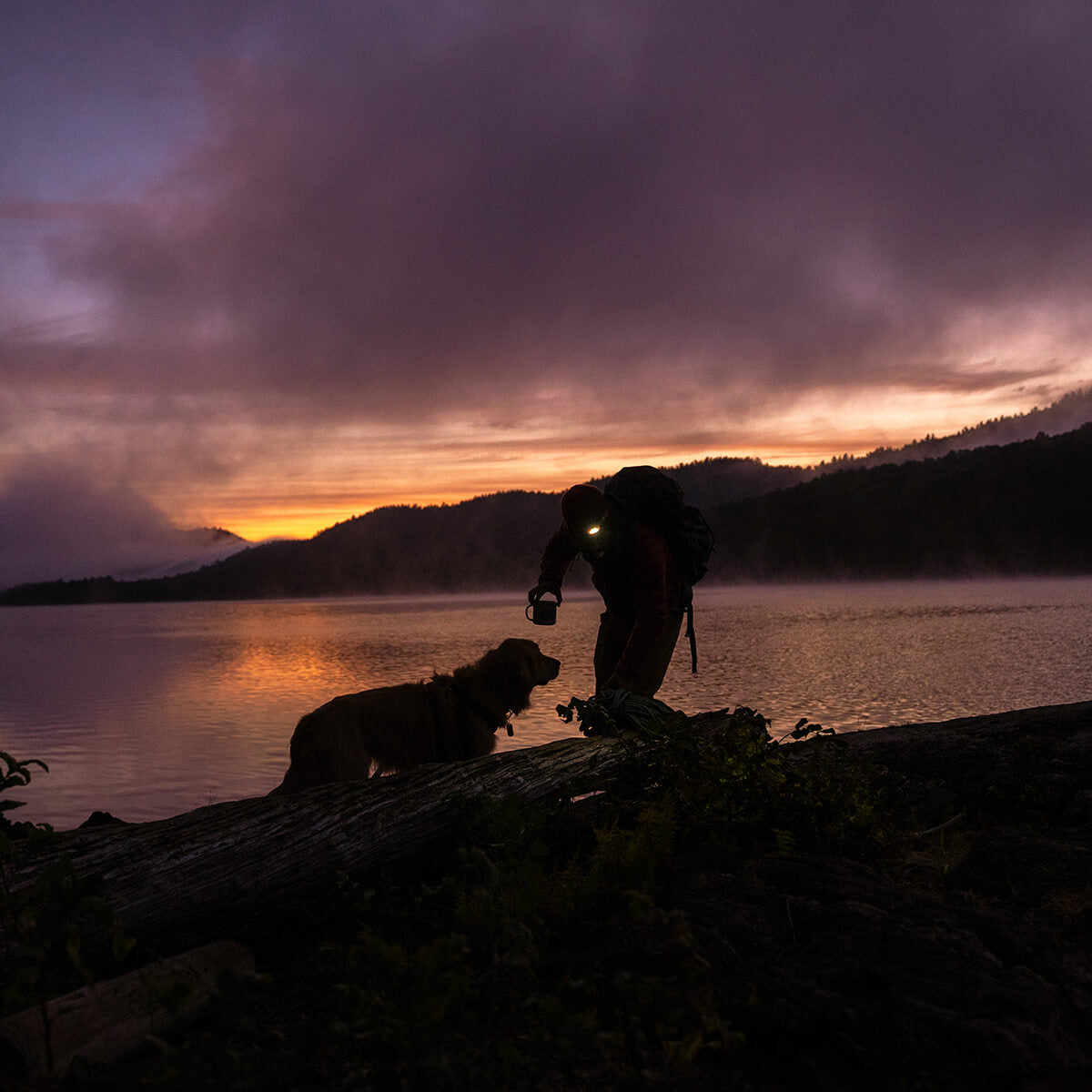
Whether it's for sport or after a night out, we've got you covered! Yerba mate's naturally occurring caffeine could improve exercise performance and recovery. [3] [6]
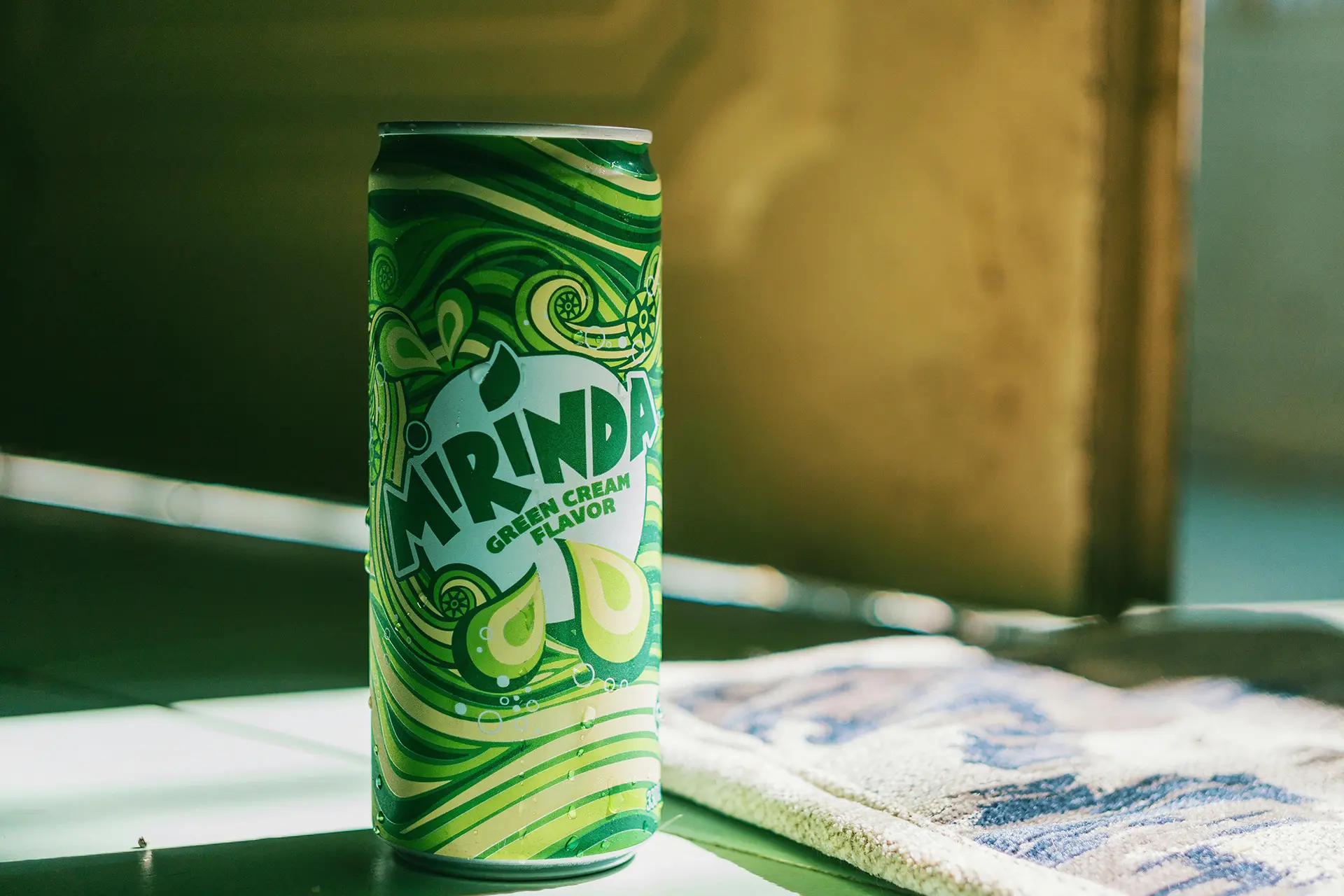
mate libre is made from an infusion of yerba mate, a tree of South American origin. A superfood with multiple benefits.
We’re not perfect, but we’re committed to making an environmental and social difference as best we can. Our carbon-neutral delivery is just one way to work towards making a positive impact because it has never been more important.
Our vision extends beyond mere “mate” sales. We aspire to give individuals the energy to feel free. Through our mission, to support artists, athletes, communities, and all who embody the essence of Canada’s DNA.
Lorem ipsum dolor sit amet, consectetur adipiscing elit.
Lorem ipsum dolor sit amet, consectetur adipiscing elit. Ut elit tellus, luctus nec ullamcorper mattis, pulvinar dapibus leo.
Lorem ipsum dolor sit amet, consectetur adipiscing elit.
Lorem ipsum dolor sit amet, consectetur adipiscing elit. Ut elit tellus, luctus nec ullamcorper mattis, pulvinar dapibus leo.
Lorem ipsum dolor sit amet, consectetur adipiscing elit.
Lorem ipsum dolor sit amet, consectetur adipiscing elit. Ut elit tellus, luctus nec ullamcorper mattis, pulvinar dapibus leo.
Vauzour, David. “Dietary Polyphenols as Modulators of Brain Functions: Biological Actions and Molecular Mechanisms Underpinning Their Beneficial Effects.” Oxidative Medicine and Cellular Longevity 2012 (2012): 1–16. https://doi.org/10.1155/2012/914273.
Gawron-Gzella, Anna, Justyna Chanaj-Kaczmarek, and Judyta Cielecka-Piontek. “Yerba Mate—a Long but Current History.” Nutrients 13, no. 11 (2021): 3706. https://doi.org/10.3390/nu13113706.
Guest, Nanci S., Trisha A. VanDusseldorp, Michael T. Nelson, Jozo Grgic, Brad J. Schoenfeld, Nathaniel D. M. Jenkins, Shawn M. Arent, et al. “International Society of Sports Nutrition Position Stand: Caffeine and Exercise Performance.” Journal of the International Society of Sports Nutrition 18, no. 1 (January 2, 2021). https://doi.org/10.1186/s12970-020-00383-4.
Baggott, M. J., Childs, E., Hart, A. B., de Bruin, E., Palmer, A. A., Wilkinson, J. E., & de Wit, H. (2013). Psychopharmacology of theobromine in healthy volunteers. Psychopharmacology, 228(1), 109–118. https://doi.org/10.1007/s00213-013-3021-0
Mitchell, E. S., Slettenaar, M., vd Meer, N., Transler, C., Jans, L., Quadt, F., & Berry, M. (2011). Differential contributions of theobromine and caffeine on mood, psychomotor performance and blood pressure. Physiology & Behavior, 104(5), 816–822. https://doi.org/10.1016/j.physbeh.2011.07.027.
Panza, Vilma Pereira, Fernando Diefenthaeler, Aline Cavalheiro Tamborindeguy, Carolina de Camargo, Bruno Monteiro de Moura, Henver Simionato Brunetta, Raphael Luiz Sakugawa, et al. “Effects of Mate Tea Consumption on Muscle Strength and Oxidative Stress Markers after Eccentric Exercise.” British Journal of Nutrition 115, no. 8 (2016): 1370–78. https://doi.org/10.1017/s000711451600043x.